Why Borehole Water Is the Safest Water Source
Borehole water is Uganda's safest drinking water when properly drilled, developed and tested.
In Uganda, where waterborne diseases remain a leading cause of illness, the source of your drinking water matters enormously. Groundwater extracted from a properly drilled borehole is widely regarded as the safest option available — but why exactly is that the case, and are there exceptions?
This article explains the science behind groundwater purification, compares borehole water to other common sources, and highlights the situations where borehole water can actually be unsafe.
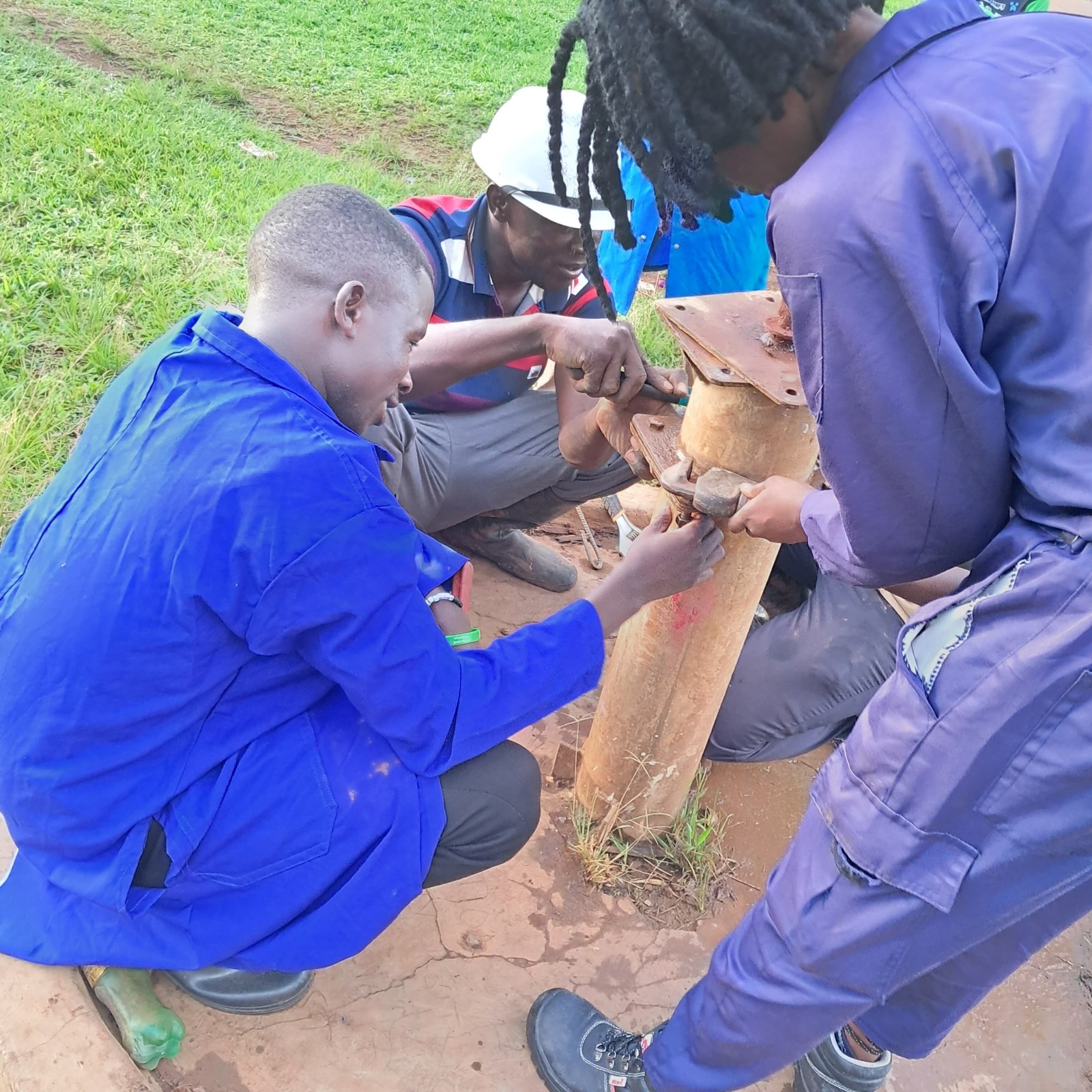
How Groundwater Is Naturally Purified
As rainwater percolates downward through layers of soil and rock to reach an aquifer, it undergoes three natural purification mechanisms that remove the vast majority of contaminants.
1. Physical Filtration
Soil and rock act as a natural filter. As water passes through sand, gravel, clay, and fractured rock, suspended particles, sediment, and even bacteria are physically trapped. The finer the soil particles, the more effective the filtration. By the time water reaches a depth of 20-30 metres, virtually all suspended matter has been removed.
2. Biological Removal
Pathogenic bacteria, viruses, and parasites (such as E. coli, cholera, and giardia) cannot survive the journey through metres of soil. They are consumed by soil micro-organisms, starved of nutrients, or simply die off due to the hostile underground environment. Groundwater from depths greater than 15 metres is typically free of faecal contamination.
3. Chemical Adsorption
Clay minerals and organic matter in soil have a natural ability to adsorb (bind to their surface) dissolved chemicals, heavy metals, and organic pollutants. This process removes contaminants that physical filtration alone cannot catch, providing an additional layer of protection.
Comparing Water Sources in Uganda
How does borehole water stack up against the other common water sources used across Uganda? Here is a side-by-side comparison.
| Source | Safety | Reliability | Cost |
|---|---|---|---|
| Protected Springs | Moderate — vulnerable to surface contamination during heavy rains | Seasonal — flow drops in dry season | Low initial, but maintenance often neglected |
| NWSC Piped Water | Good when treated — but contamination risk in old pipes and during rationing | Unreliable — frequent outages and rationing | Recurring monthly bills, connection fees |
| Rainwater Harvesting | Variable — depends on roof cleanliness and storage hygiene | Seasonal — no water in dry months | Low cost but limited volume |
| Borehole Water | High — naturally filtered through metres of rock and soil | Excellent — available 24/7, drought-resistant | Higher upfront, very low running cost |
When Borehole Water Is NOT Safe
While borehole water is generally the safest option, there are five situations where it can be contaminated and unsafe to drink without treatment.
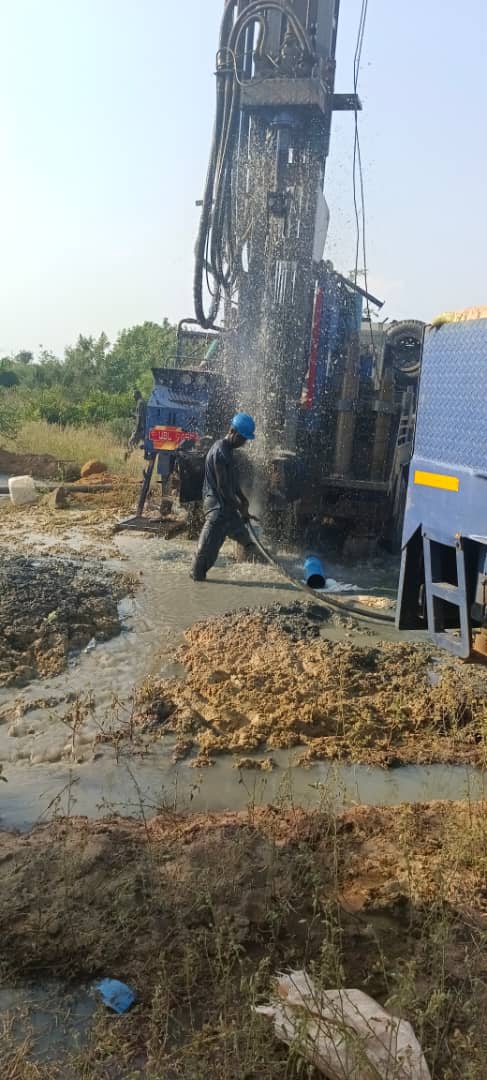
1. Poorly Constructed Borehole
If the sanitary seal is inadequate or the casing is damaged, surface water can infiltrate directly into the borehole, bypassing the natural filtration process entirely.
2. Nearby Pit Latrines or Septic Tanks
If a pit latrine or septic tank is located within 30 metres of a borehole (especially uphill), faecal contamination can reach the groundwater. Minimum separation distances must be observed.
3. High Natural Iron or Manganese
Some geological formations in Uganda contain naturally high levels of dissolved iron and manganese. While not directly harmful at low levels, they cause unpleasant taste, colour, and staining — and require treatment.
4. Industrial or Agricultural Contamination
In areas near factories, fuel stations, or intensive farming, chemicals such as nitrates, pesticides, or hydrocarbons can leach into groundwater over time.
5. Shallow Aquifers in Flood-Prone Areas
In wetland or flood-prone areas, shallow boreholes (under 20 metres) can be directly recharged by contaminated surface water during flooding events.
Conclusion
A properly drilled, correctly sited borehole remains the safest and most reliable source of drinking water in Uganda. The key is ensuring professional hydrogeological surveying, quality construction, and regular water quality testing.
At Clapson Aqua Engineering Limited, every borehole we drill includes a full hydrogeological survey, proper sanitary sealing, pumping test, and water quality analysis — so you can drink with confidence.
Ready to Start Your Project?
Contact us for a free site assessment and detailed quotation.