Are you Ready for Clean Water Solutions Today? Contact Us
Affordable groundwater access for rural communities with high water tables.

A shallow well is an excavated or bored well that penetrates the unconfined (phreatic) aquifer — the uppermost layer of groundwater that sits above the first impermeable stratum. Shallow wells are typically 5 to 15 metres deep and 0.9 to 1.2 metres in diameter.
When properly sited and constructed, shallow wells deliver clean groundwater for drinking, cooking, livestock, and small-scale irrigation. The critical difference between a safe shallow well and a contaminated one is sanitary design and construction quality — both of which are Clapson Aqua Engineering Limited hallmarks.
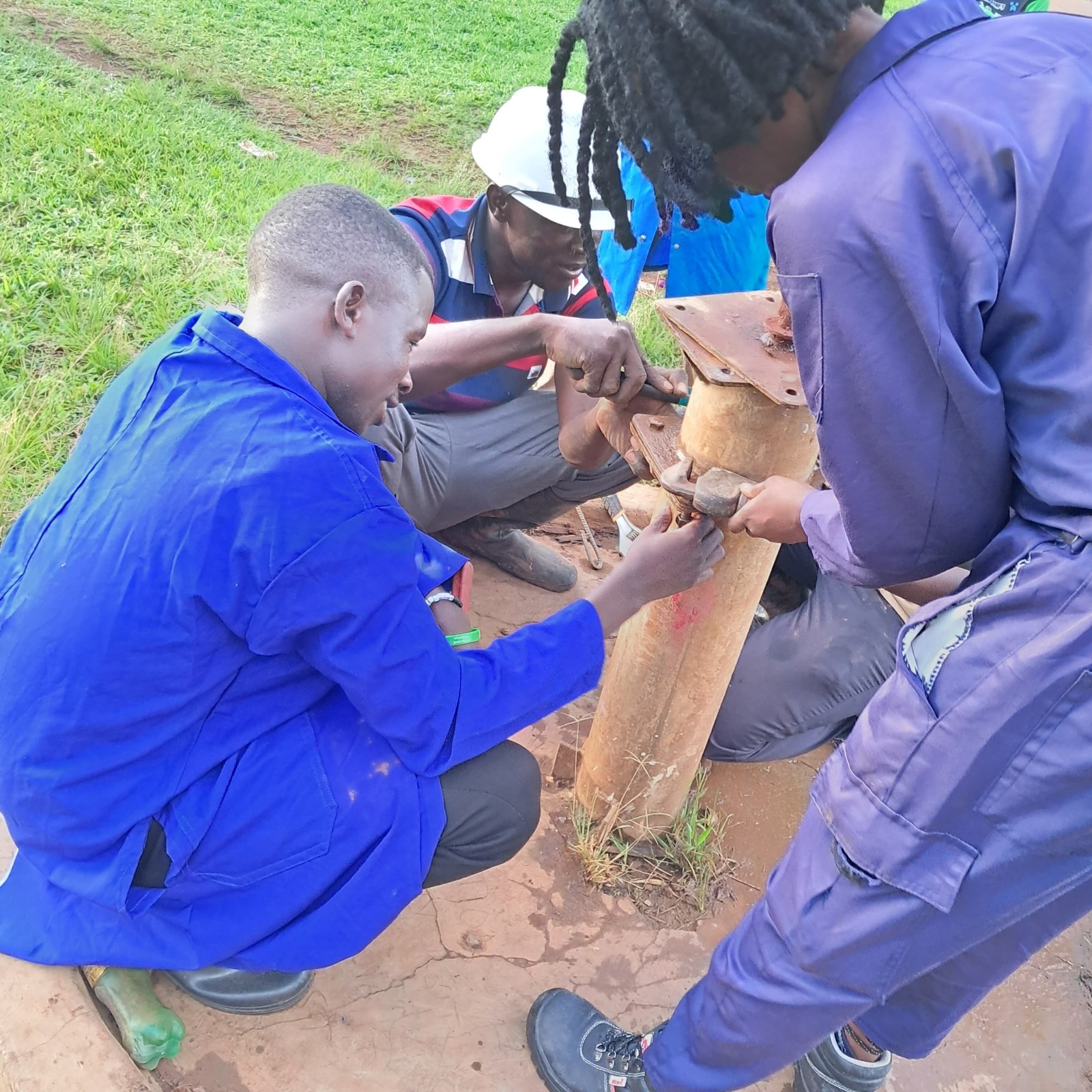
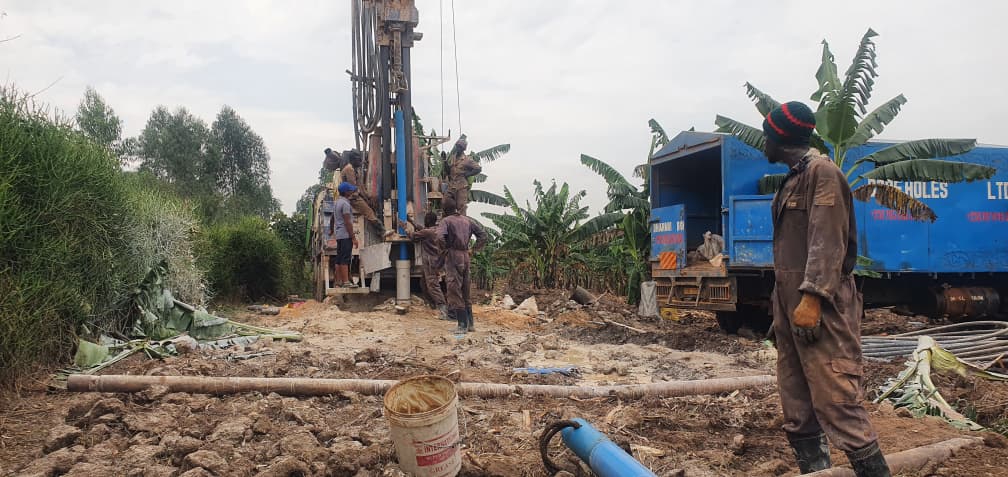
Traditional hand-dug wells excavated by a trained construction team. We use precast or cast-in-situ concrete rings for lining from the bottom to the surface. A reinforced concrete cover slab, pump apron with drainage channel, and superstructure are installed to prevent contamination.

Where soft soils allow, we use motorised earth augers to bore narrow-diameter shallow wells rapidly and cost-effectively. These are then cased with PVC or concrete rings and equipped with hand pumps or small submersible pumps.
Every shallow well we construct includes these critical sanitary features to protect water quality and ensure longevity.

Which is right for you? Here is a side-by-side comparison to help you decide.
| Feature | Shallow Well | Deep Borehole |
|---|---|---|
| Typical depth | 5 – 15 m | 40 – 200+ m |
| Upfront cost | Lower | Higher |
| Risk of contamination | Higher (if poorly constructed) | Lower |
| Yield | Low to moderate | Moderate to high |
| Best for | Rural households, low-budget projects | High demand, institutions, industries |
| Geological requirement | High water table | Any depth to aquifer |
| Pump options | Hand pump, small submersible | Any pump type |
Contact us for a free site assessment and detailed quotation.