WATER TREATMENT

Water Treatment Systems in Uganda

Access to water is not enough — it must be safe. Filtration, UV, reverse osmosis, and chlorination systems.

The Challenge

Why Water Treatment Is Essential in Uganda

Groundwater in Uganda can contain elevated levels of iron, manganese, fluoride, nitrates, turbidity, and bacteriological contamination. Surface water requires comprehensive treatment.

Bacteriological Contamination

Even borehole water can be contaminated with E. coli, coliforms, and other pathogens if the borehole is poorly sealed or located near latrines. Drinking untreated contaminated water causes typhoid, cholera, dysentery, and other waterborne diseases.

Iron & Manganese

Iron is one of the most common water quality problems in Uganda. Concentrations above 0.3 mg/L cause orange/brown staining of pipes, fixtures, and laundry. High manganese (above 0.1 mg/L) can affect the nervous system with long-term exposure.

Turbidity & Suspended Solids

Turbid water indicates suspended soil particles, organic matter, and potentially pathogens. The WHO guideline for drinking water turbidity is less than 1 NTU.

Fluoride

Some geological formations in Uganda — particularly in volcanic areas — release elevated fluoride into groundwater. Chronic exposure above 1.5 mg/L causes dental fluorosis and, at very high levels, skeletal fluorosis.

Hardness

Hard water (high calcium and magnesium) causes scale deposits in pipes, water heaters, and kettles, reducing efficiency and lifespan. Water softening extends the life of plumbing infrastructure.

Our Solutions

9 Water Treatment Solutions

1

Sediment / Multi-Media Filtration

Sand and gravel filter beds remove suspended particles, turbidity, and larger particulate matter. Multi-media filters use layers of silica sand, anthracite, and garnet for superior performance.
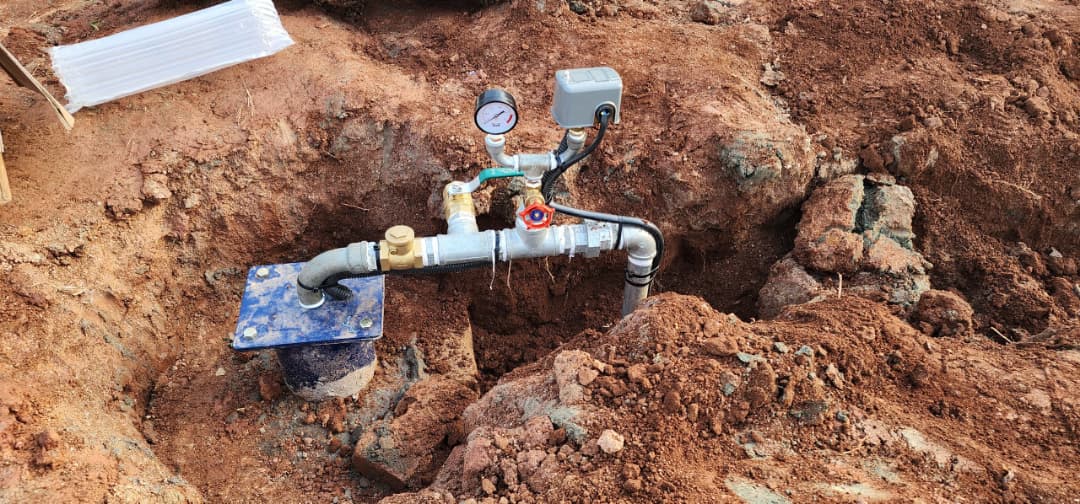
Clapson Aqua - Sediment / Multi-Media Filtration
2

Iron & Manganese Removal Filters

Oxidation filtration systems (using manganese greensand or Birm media) oxidise dissolved iron and manganese to their insoluble forms and filter them out. For very high iron levels, aeration towers combined with pressure filters are used.

Clapson Aqua - Iron & Manganese Removal Filters
3

Activated Carbon Filtration

Granular activated carbon (GAC) filters remove chlorine, chloramines, taste, odour, organic compounds, and some pesticides from water.

4

Softeners (Cation Exchange Resin)

Ion exchange water softeners remove calcium and magnesium ions (hardness) by exchanging them for sodium ions, preventing scale formation in pipes and appliances.

5

UV Disinfection

Ultraviolet light destroys the DNA of bacteria, viruses, and protozoa (including Cryptosporidium and Giardia which are resistant to chlorine). UV disinfection is chemical-free, leaves no disinfection by-products, and does not alter the taste or smell of water.

Clapson Aqua - UV Disinfection
6

Chlorination Systems

Chlorine injection (sodium hypochlorite dosing) is the most widely used water disinfection method globally. We design and install automatic dosing systems with flow-proportional control for consistent, safe residual chlorine levels.

Clapson Aqua - Chlorination Systems
7

Reverse Osmosis (RO) Systems

Reverse osmosis forces water through a semi-permeable membrane that removes 95–99% of dissolved salts, heavy metals, fluoride, nitrates, and most contaminants. Applications include offices, homes, food processing, pharmaceutical facilities, hotels, and restaurants.

Clapson Aqua - Reverse Osmosis (RO) Systems
8

Fluoride Removal

For areas with elevated natural fluoride, we install defluoridation units using activated alumina or bone char media.

9

Complete Containerised Water Treatment Plants

For large communities, refugee settlements, or remote locations, we deploy pre-engineered containerised water treatment plants that include coagulation, flocculation, sedimentation, filtration, and disinfection — all in a single self-contained unit.
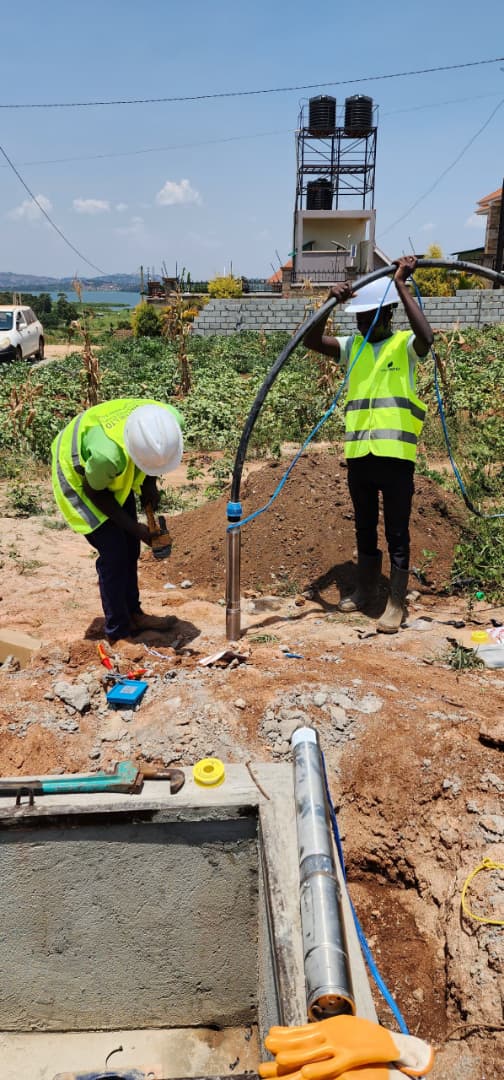
Clapson Aqua - Complete Containerised Water Treatment Plants
Clapson Aqua water quality testing and laboratory analysis

Water Testing Services

Before recommending a treatment system, we conduct or commission a comprehensive water quality analysis. Results are compared against WHO Drinking Water Guidelines and Uganda Bureau of Standards specifications to determine treatment requirements.

  • Physico-chemical: pH, turbidity, colour, TDS, hardness, iron, manganese, fluoride, nitrates, sulphates, chlorides
  • Heavy metals: arsenic, lead, chromium
  • Bacteriological: Total coliforms, E. coli, faecal coliforms

Get Your Quote Today

Contact us for a free site assessment and detailed quotation.